
Build an approval‑ready credit profile
Understand what’s driving your credit decisions, identify items that may be unfair or inaccurate, and take a structured next step toward stronger approvals and better terms.
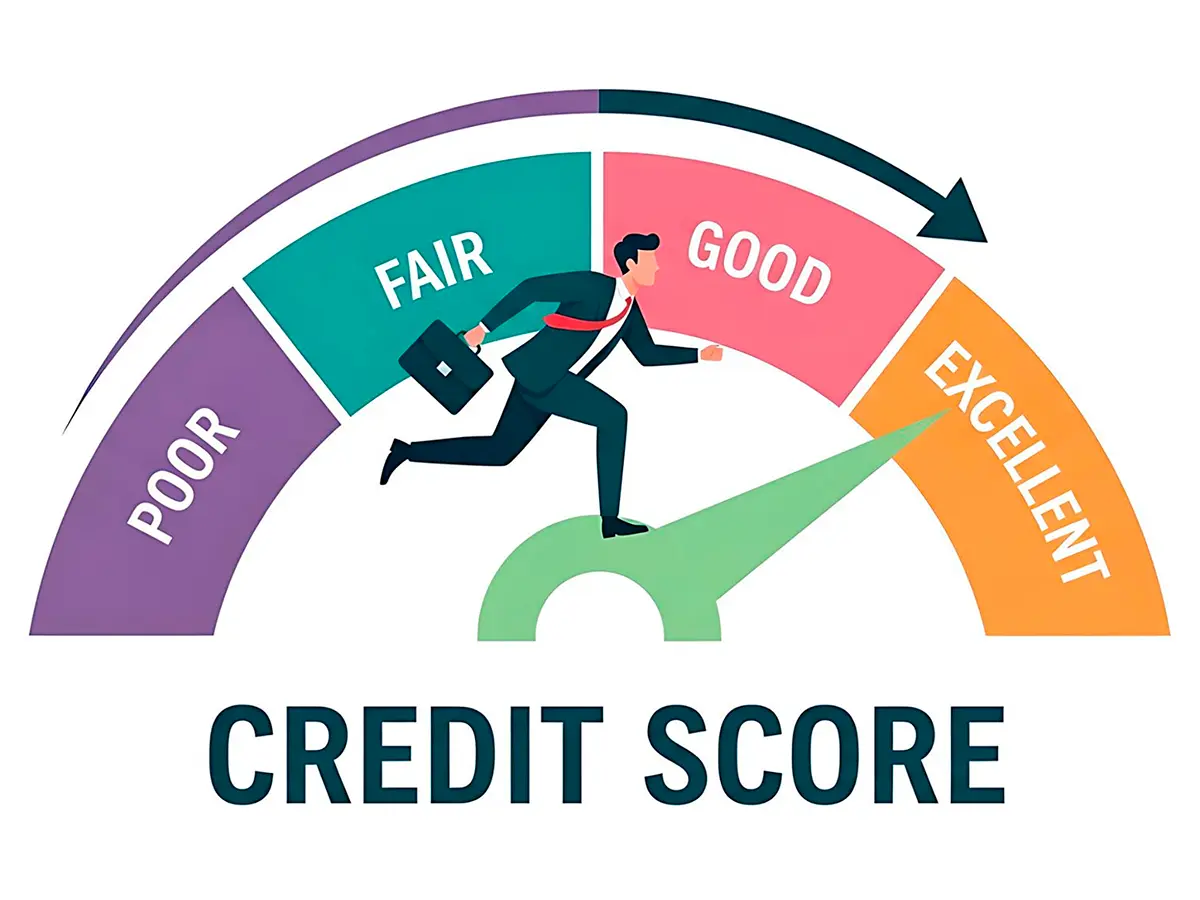
Built around established U.S. credit reporting practices and dispute procedures under the Fair Credit Reporting Act (FCRA). No unrealistic promises—just clarity, documentation, and structured credit improvement.
Unlock more options
Choose the outcome you care about. We’ll outline what improves it—and what to watch for—so you can move forward with confidence.
Your path to stronger credit
A stronger credit profile can mean better approval odds, improved loan terms, and more financial flexibility. Get a clear, no-fluff overview of what credit improvement can help you achieve — then take the next step when you're ready.
Credit decisions in the U.S. are typically influenced by payment history, utilization ratios, account age, recent inquiries, and the accuracy of reporting across major credit bureaus.
Even small inconsistencies can affect lending algorithms. A structured credit improvement approach focuses on verified data, responsible usage patterns, and consistent financial behavior.
*Results vary. This page does not guarantee outcomes.
How it works
A straightforward workflow used by reputable credit‑support programs: review, challenge what’s questionable, and build stronger habits while updates are processed.

Review your starting point
Clarify your goal and look at what’s currently affecting approvals and terms.

Identify what can be challenged
See what information is typically needed, what to expect next, and how the workflow usually looks.

Move forward
Continue to explore available options and take the next step toward better credit outcomes.
credit repair nc strategies that restore confidence
Why fixing your credit in North Carolina matters
Your score influences more than loans. Landlords in Raleigh may weigh it during applications, insurers can price policies with it in mind, and a better profile can trim borrowing costs for a car on I-77 or a first home near Wilmington. The goal isn't perfection; it's progress you can see and trust.
Find your starting point
Pull your full reports from the three major bureaus and scan for accuracy: names, addresses, open and closed accounts, balances, and any collections. Mark anything that looks off: duplicate entries, wrong dates, or debts that aren't yours. Recent changes mean some small medical collections may already have dropped; confirm they actually did. On a rainy afternoon in Durham, Maya noticed a 2019 collection listed twice and a misspelled surname - two precise issues she could dispute quickly.
Structured steps that move the needle
- List the issues. Create a simple tracker: creditor, account number, what's wrong, evidence you have, and the bureau(s) reporting it.
- Dispute with documentation. Send clear, factual disputes to each bureau. Include statements, payment confirmations, or identity documents. Stay calm, specific, and concise.
- Follow the clock. Investigations typically finish within 30 - 45 days. Put a reminder on your calendar and review the updated reports when they arrive.
- Negotiate strategically. For valid but burdensome debts, consider settlements in writing. You can request removal after payment, though not all creditors agree. Even without deletion, a paid collection can look better to future lenders.
- Address utilization. If your cards are near their limits, paying them down often yields the fastest score lift. Many see momentum below 30% utilization; under 10% is stronger if cash flow allows.
- Fix the future. Set up auto-pay for minimums, then snowball extra amounts toward the highest-rate balance.
Build positive data in NC
- Secured card through a local credit union. A modest deposit, one recurring bill per month, and on-time payments create steady history.
- Credit-builder loan. Community banks and credit unions in North Carolina often offer small, predictable loans held in savings until you finish paying - payments report monthly.
- Report what you already pay. If possible, add rent or phone payments through a reporting service or landlord program to round out your profile.
DIY or professional help?
Many people can handle disputes and budgeting on their own, and that's a perfectly valid route. A gentle counterpoint: some prefer professional guidance to save time or reduce stress; neither path is universally better. If you explore services in NC, look for no upfront fees, a clear written plan, plain-language explanations, and reasonable timelines. Nonprofit credit counselors can also help with budgeting and debt management plans.
Timeline and realistic expectations
Quick corrections can surface within a month or two; deeper rebuilding takes consistent habits over several cycles. Think in quarters, not days. Confidence comes from a visible arc of improvement.
- Fast wins: removing a duplicate collection, correcting a misreported late payment, or trimming card balances.
- Steady wins: six months of on-time payments, aging past delinquencies, and a stronger mix of accounts.
Keep momentum - and your confidence
Review your reports every few months, celebrate small score bumps, and keep your budget tight enough to avoid new late payments. The result you're aiming for isn't just a number; it's easier approvals, lower costs, and the calm that comes from control. Step by step, credit repair in NC becomes less about fixing the past and more about proving the future.
Millions of Americans have problems with a low credit score. We are White, Jacobs and Associates and we offer the best credit repair North Carolina has ...
Credit repair in North Carolina by the trusted leaders, Lexington Law. For problems with your credit report, turn to the legal professionals for help.
NC Credit Solution is a credit repair company that helps consumers improve credit fast. NC Credit Solution has helped hundreds of clients reach there credit ...
Frequently asked questions
A clear next step — without the guesswork
See what’s impacting approvals and what may deserve a closer look.
Understand how disputes are structured and what documentation matters.
Improve utilization, consistency, and long-term credit stability.
See what improving your credit could change
Take a structured next step based on your current profile — and decide with clarity.